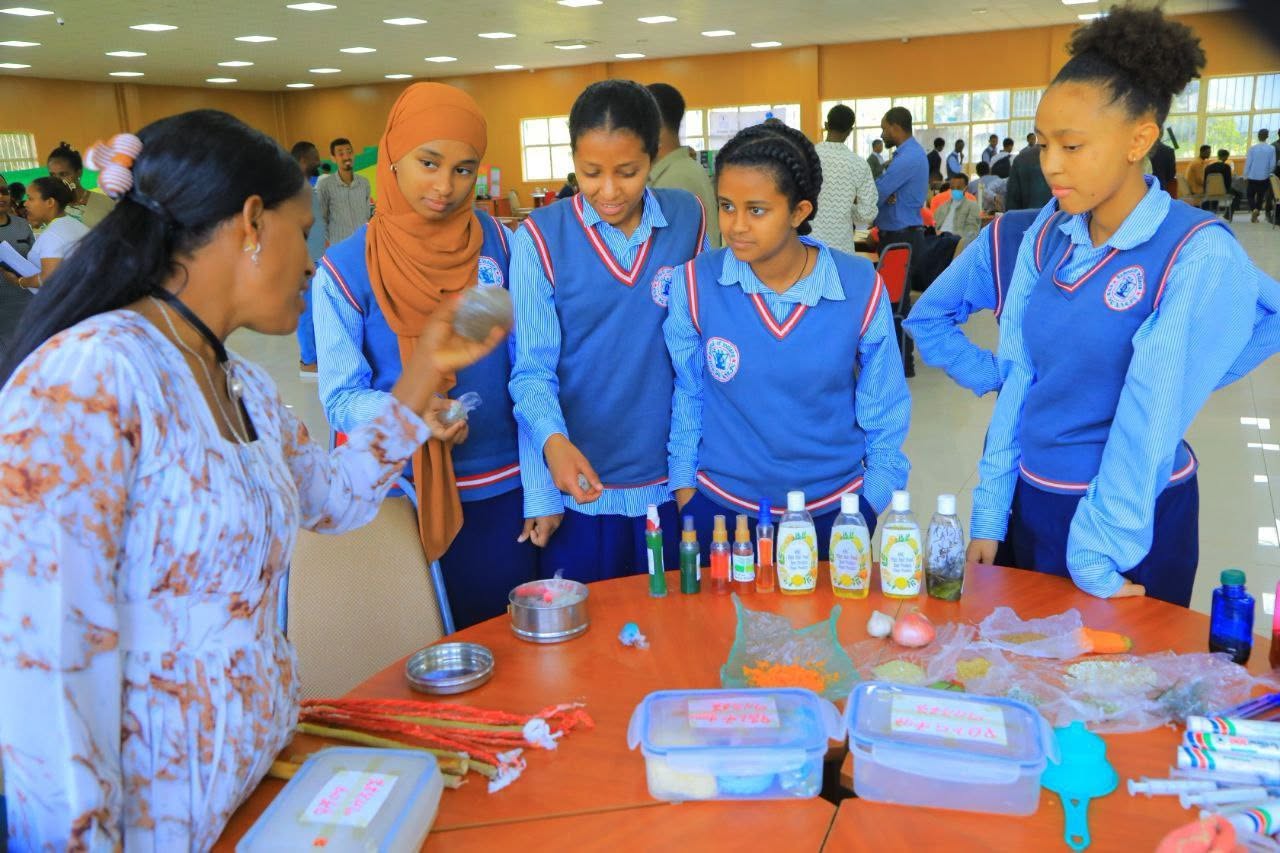
The government has been implementing an education system aimed at creating a generation that is capable, technologically advanced, patriotic, and thinks of the common good rather than personal gain for the past three and a half years.
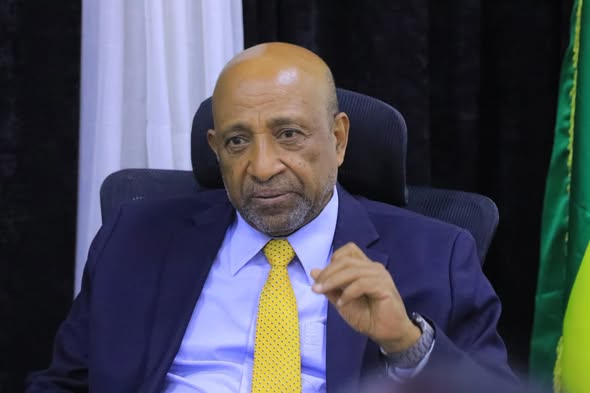
In an interview with ETV, the Minister of Education, Professor Berhanu Nega, stated that extensive efforts have been made to ensure the quality of education, from implementing new curriculum reforms to strengthening the national examination system and preventing cheating.
The minister said that over 17,000 new schools have been built in the past 3 years with a total cost of 146 billion birr raised through public participation, while over 36,000 existing schools have also been renovated. In addition, the number of pre-schools has increased from 4,000 to 36,000. In terms of educational equipment and capacity building, more than 45 million secondary school textbooks have been printed and distributed to students, and about 120,000 to 130,000 teachers have received training in modern teaching methods.
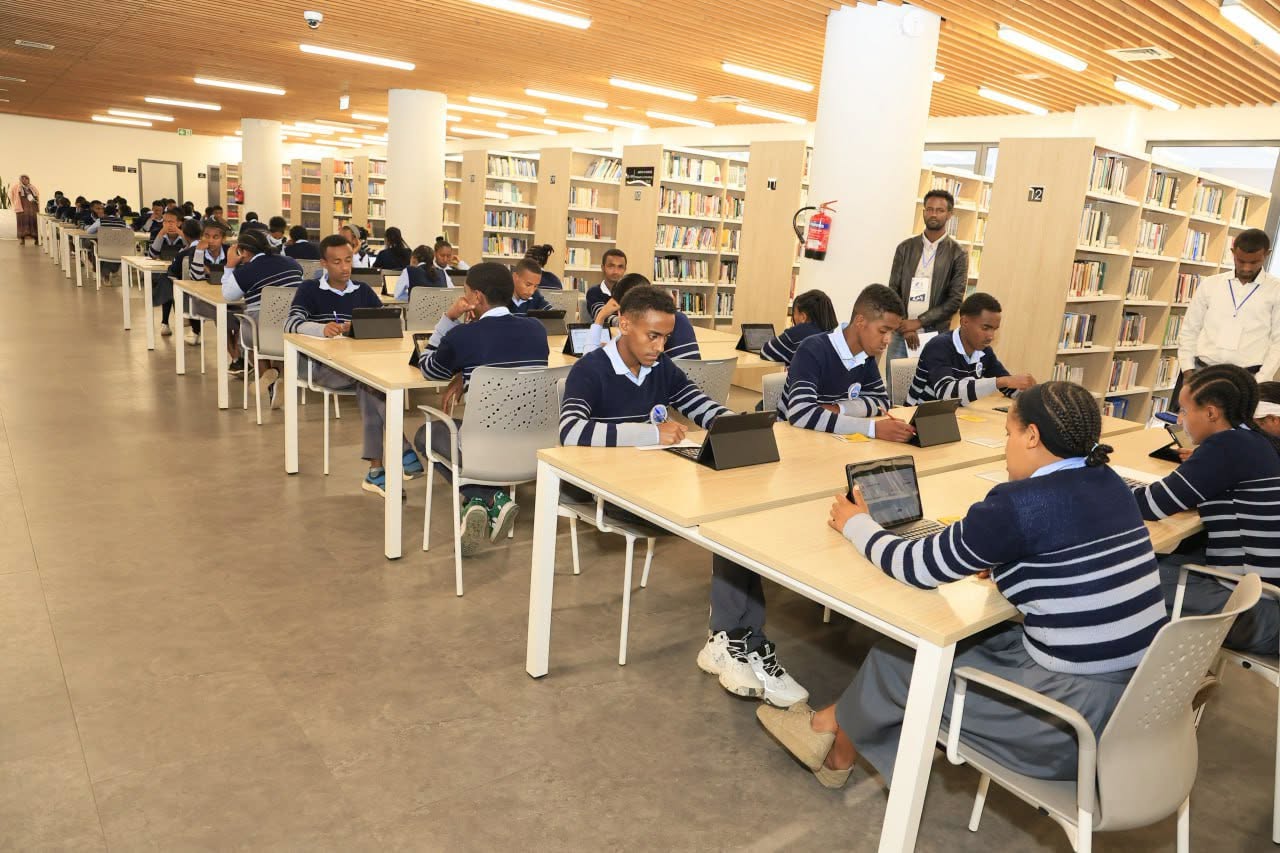
The efforts to ensure that no district in Ethiopia is without a learning institution will continue, and this year, all secondary schools will have digital libraries and laboratories, he said.
In addition, a system will be established within the next four months to connect universities with high-speed fiber optic technology and provide free access to international educational information. The Ministry of Education also announced the launch of a 5 million pound project in collaboration with the British Council to improve the English language skills of 7th and 8th grade students. This project includes extensive training of teachers and the development of teaching materials. Professor Berhanu Nega confirmed that efforts will continue to be intensified to modernize the national examination system, prevent the problem of cheating, and create a generation based on national identity.